

Fight Nursing Home Abuse
Fight Nursing Home Abuse is dedicated to helping families expose and stop nursing home abuse and neglect. Our mission is to provide comprehensive resources and legal support to families who need it most. If you or someone you love is a victim of abuse or neglect, join us in the fight.
Understanding Nursing Home Abuse and Neglect
The thought of it is disturbing, but nursing home abuse and neglect occurs all too frequently. Nursing home abuse and neglect takes many forms, but all of it is damaging in some way – emotionally, physically, or financially.
As the elderly population increases and the social dynamics of our society begin to favor nursing home care over in-home care, we must be ever more vigilant in protecting senior citizens from abuse. Knowing the signs of nursing home abuse and contacting a nursing home abuse lawyer if you know of or suspect abuse is critical in the fight against nursing home abuse and neglect.
Understanding types of nursing home abuse may go a long way to preventing it in our society, or at the very least protecting your loved ones from suffering its consequences.


Did You Know?
90% of abusers are trusted individuals (family, friends, or caregivers).
20% of nursing home abuse cases are reported.
36% of nursing home residents have witnessed at least one incident of abuse.
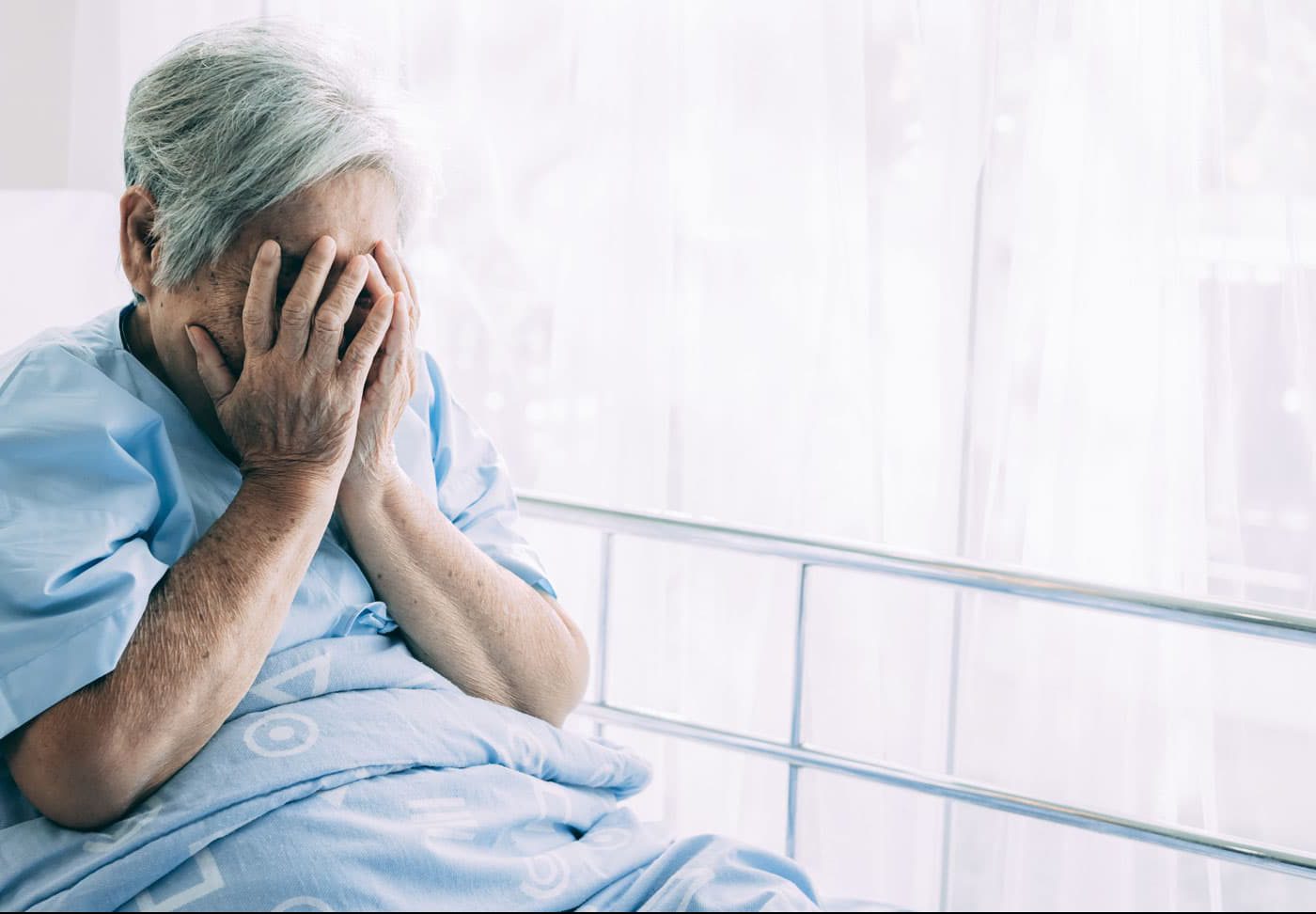
Types of Nursing Home Abuse and Neglect
There are many types of elder abuse. Some of the most common types that we see at Fight Nursing Home Abuse include:

Physical Abuse

Sexual Abuse

Emotional Abuse

Financial Exploitation

Neglect

You are Not Alone
If you suspect that your loved one is being abused or neglected in a nursing home, you may feel lost, angry, and afraid. You should know that you are not alone. At Fight Nursing Home Abuse, we are here to help you:
- Understand your loved ones legal rights
- Investigate your suspicions of abuse or neglect
- Protect your loved one from those responsible
- Get your loved one justice
Read reviews from people who needed our help
“Thanks for going above and beyond for me on my case.”
Peggy W.
“Thank you for hearing me out. You guys got back with me so fast.”
Berta J.
“Thank you so much for your time and input [about my potential case].”
Joan H.
“I sincerely appreciate all of the supportive information you’ve shared on your site for senior citizens.”
Donna E.
Recent Nursing Home Abuse News
Nursing Home Residents Still Feeling Isolated as Visitation Restrictions Lessen
At the beginning of the COVID-19 pandemic, nursing homes across the United States saw just how quickly the virus could spread. To help prevent the spread, nursing homes began limiting in-person contact between nursing home […]
Read More
Could Coronavirus Nursing Home Deaths Have Been Prevented?
Around 40 percent of COVID-19 (coronavirus) related deaths in the United States have occurred in nursing homes. Nursing home residents and staff account for a startling 68,000 deaths. Now, families and advocates are questioning whether […]
Read More